Wednesday, October 18, 2023

What Can Research into Atypical Alzheimer’s Disease Teach Us?

Alzheimer’s Disease (AD) is a neurological disorder in which plaques build up between neurons and neurofibrillary tangles form within neurons, disrupting communication. Typical AD patients initially exhibit memory loss as their main symptom. Atypical Alzheimer’s Disease is characterized by initial symptoms of damage to visual, motor, language, behavioral, and executive functions, rather than memory. This difference in presentation of the disease can lead to misdiagnosis, which can negatively affect patient outcomes as treatments, planning, and resources are delayed. Additionally, a disproportionate amount of atypical AD patients have young onset dementia (symptoms appear before age 65), and a majority of supports for AD patients are geared towards older adults in a later stage of life.

This article I read provides an in-depth analysis of the consequences of delayed diagnosis, as well as recent research into how biomarkers can aide in detection of atypical AD. It also talks about benefits of individualized treatment and how researching atypical AD can provide unique insight to expand our understanding of the disease as a whole. Expansion of biomarker technology to include diverse phenotypic expression of AD can help with early diagnosis, which is essential for ensuring patients get treatment and proper support as soon as possible. This research is also important for further understanding of atypical and early onset AD. The researchers recommend future clinical studies to include diverse phenotypes aside from just memory related symptoms in order to expand our understanding of this disease we still know so little about.

I find this topic particularly interesting because there are so many things we do not know about our bodies and the processes that relate to Alzheimer’s disease. In their suggestions for future research, the researchers mentioned a need to determine whether there are links between AD and early brain development. This could open up a whole new world of possibilities for treatment and even possibly prevention of Alzheimer’s disease, as it is currently a disease for which we have no cure. I love thinking about how a new angle or aspect of understanding could change the entire landscape of research on this disease and others.

Source: Graff-Radford, J., Yong, K. X. X., Apostolova, L. G., Bouwman, F. H., Carrillo, M., Dickerson, B. C., Rabinovici, G. D., Schott, J. M., Jones, D. T., & Murray, M. E. (2021). New insights into atypical Alzheimer's disease in the era of biomarkers. The Lancet. Neurology, 20(3), 222–234. https://doi.org/10.1016/S1474-4422(20)30440-3

Resuscitative Thoracotomies in Trauma Arrests

Patients experiencing severe penetrating or blunt-force trauma have an increased risk of cardiac arrest, and ultimately, death. Consequences of trauma include hemorrhage, damage to vital organs, and shock – all of which exacerbate one another – leaving the patient in rapidly deteriorating, critical condition. Unfortunately, pre-hospital medicine does not possess the tools to adequately treat these patients and first responders must prioritize transport to the closest, well-equipped hospital for the best chance of survival.


One procedure that can be performed by emergency physicians/surgeons upon arrival includes a resuscitative thoracotomy; this technique involves opening the chest cavity for direct access to the heart. The indications to complete this invasive procedure are incredibly specific: the patient actively in witnessed cardiac arrest, ongoing CPR for <10 minutes in blunt injuries and <15 minutes in penetrating injuries, evidence of pericardial tamponade, and exhibiting signs of life (Pust and Namias, 2016). Pericardial tamponade occurs when fluid fills the pericardial sac, creating pressure on the heart and decreasing its ability to pump blood – resulting in decreased perfusion and shock (Shashko and Meer, 2023). To diagnose pericardial tamponade, physicians utilize an ultrasound machine to examine the heart and can distinguish any surrounding free fluid, as well as check for cardiac activity (Pust and Namias, 2016).


If all the necessary qualifications are met, a resuscitative thoracotomy takes place in attempt to save the patient’s life. Physicians will make an incision on the patient’s left, fifth intercostal space, using rib spreaders to gain access to the chest cavity (Pust and Namias, 2016). To relieve pericardial tamponade, the pericardium is manually separated from the heart and physicians clear any obvious clots in the space, allowing further examination and interventions for other cardiac injuries. (Pust and Namias, 2016). Common injuries include lacerations to cardiac tissue that are treated with sutures, but more severe injuries causing massive blood loss, require more intensive intercessions; to divert perfusion to vital organs – and prevent further loss from lower extremities – surgeons cross-clamp the descending aorta and expedite transport to the OR (Pust and Namias, 2016).


This controversial practice maintains a dismal survival rate, influenced by patient condition upon arrival – signs of life present, degree of shock, and mechanism of injury. Penetrating thoracic injuries exhibiting signs of life hold the most optimistic chance of survival, between 21.3-35%, while blunt injury survival rests between 4.6-15% (Pust and Namias). A relatively new medical intervention, resuscitative thoracotomies require continual criteria and method evolution. While heavily debated, the alternative to this procedure reveals assured death.


Pust, D.G., & Namias, N. (2016). Resuscitative Thoracotomy. Internal Journal of Surgery, 33(B), 202-208. https://doi.org/10/1016/j.ijsu.2016.04.006.

Stashko, E. & Meer J.M. (2023). Cardiac Tamponade. StatPearls.


Help fight Amelogenesis Imperfecta

     Amelogenesis imperfecta (Al) is a genetic disorder that is inherited and caused by a recessive mutation.  These mutations can affect primary and secondary dentition in those who have inherited this disorder.   It affects tooth enamel formation by demineralization which is a disorder characterized by insufficient strength of the tooth when compared to normal teeth.  This occurs when the teeth are demineralized to the next layer of the tooth called the dentin. When this occurs in the dentin, the tooth color may be less white and much more yellow-brown in visible light. There is associated weakness and sensitivity throughout the tooth and nerves of the tooth which can continue to weaken throughout life.  This disorder can lead to edentulism, a condition of toothlessness if it is not addressed. Three phenotypes can help with diagnosing this disorder, the first is demineralization; which is when organic materials convert to inorganic materials weakening the tooth.  Another phenotype is hypo-calcification, which is when tooth enamel is present but is very weak and has a rough surface, however, it can still lead to wear of the tooth enamel quite rapidly once the tooth has erupted. The last phenotype is hypo-maturity, during the development of the tooth, the translation of proteins is not properly removed during the enamel matrix which leads to failure of the completion in the hardening of the enamel layer.  When analyzing and diagnosing, a dentist can verify this disorder through three distinctive stages: presecretory, secretory, and maturation which are considered the functional stages.  In the first stage, the characteristics of ameloblasts are developed and a protein synthetic apparatus is present to secrete the enamel within the organic matrix. The second stage is the secretory stage in which the thickness of the enamel is secreted by the ameloblasts, the hydroxyapatite crystals are separated by the organic contents and water. The third stage is the maturation stage, this is when the inorganic ions of the ameloblasts are switched for the organic contents and water, which causes the thickness of the enamel to become pris-shaped. 

                Because so many people have been affected, by this disorder, there is need for more research in order for further treatment.  I feel that as a future dentist, I’d like to do research for treatment and possible supplement intake that would help strengthen teeth so many wouldn’t have to go through the many side effects that eventually leads to being toothless.

Fonseca, R. B., Sobrinho, L. C., Neto, A. J. F., Mota, A. S., & Soares, C. J. (2006). Enamel hypoplasia or amelogenesis imperfecta-a restorative approach. Brazilian Journal of Oral Sciences, 5(16), 941-943. http://doi.org/10.20396/bjos.v5i16.8641869


Can there be Survival in an Anencephaly Pregnancy? Rare Case

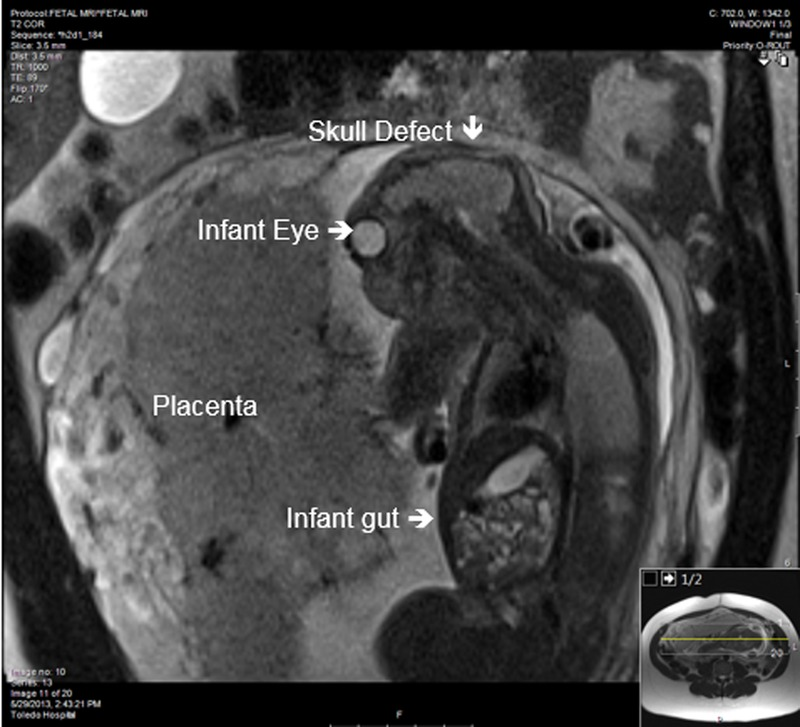
  Last semester, I was able to shadow a family medicine doctor, and I was presented with this rare case of a pregnancy that was anencephalic. Anencephalic is a congenital disorder, a birth defect that causes the baby to not develop a brain or skull (Cleveland Clinic, 2023). Studies have shown that this is such a rare case, 1 in 4,600 babies are diagnosed with anencephaly in the United States, however this is because this disorder affects the nervous system by not developing the neural tube that forms the brain and skull in the first month of pregnancy (CDC, 2023). The brain being essential to the body, and need for life as it pertains to functions like memory, body movement, and emotion. 

    The diagnosis for anencephaly is still unknown, but it is usually detected within the pregnancy though an ultrasound or blood test suggesting that there are levels of high alpha-fetoprotein, opioid use, and high heat exposure ( Cleveland Clinic, 2023). There are three different types of anencephaly: meroacrania, holoanencephaly, and acrania. According to Children’s Hospital, meroacrine is the milder form of this disorder and small area of the skull missing, acrania is the entire skull is missing and part of the brain is developed: while the holoprosencephaly is where the entire brain is missing (Children's Hospital Colorado, 2023). 


    Therefore, there seems to be a rare case for survival of babies with this congenital disorder, but there was one case that lived up to 28 months. This baby was a female infant born by C-section at 40 weeks and 2 days of gestation. As she reached the 28 months of life, she continuously got check ups, and it was noticed that the infant slept during the day and had an irregular heartbeat ( PubMed Central, 2016). This infant would smile occasionally and make cooing noises, but would obtain seizures as she got closer to the end of her life (National Library of Medicine, 2016). This was in result to not having a brain that allowed her to have emotions, form memories; but instead due to no structure in the brain, she obtained a lot of seizures.

    As this case was rare, it became information that defied the current research on babies with this birth defect, that gave us a glimpse of the physiological effects that anencephalic disorder brings to the medical field. There are no treatments for this congenital disorder, and it is recommended to have a support system that can help with a family member with this condition.

Work Cited:

Anencephaly. Children’s Hospital Colorado. (n.d.). https://www.childrenscolorado.org/conditions-and-advice/conditions-and-symptoms/conditions/anencephaly/

Centers for Disease Control and Prevention. (2023, June 28). Facts about anencephaly. Centers for Disease Control and Prevention. https://www.cdc.gov/ncbddd/birthdefects/anencephaly.html

Dickman, H., Fletke, K., & Redfern, R. E. (2016, October 31). Prolonged unassisted survival in an infant with anencephaly. BMJ case reports. https://www.ncbi.nlm.nih.gov/pmc/articles/PMC5093842/

professional, C. C. medical. (n.d.). What is anencephaly?. Cleveland Clinic. https://my.clevelandclinic.org/health/diseases/15032-anencephaly 

Caffeine: Healthy Or Hazardous?

     Caffeine is a common stimulant that is widely accepted in our society as being normal, it is able to stimulate the central nervous system within an individual to decrease fatigue. These caffeinated drinks that are widely produced promise increased energy, improved physical performance, and a higher mental function in adults. How about children? Is there something more to these drinks as they seem, as many call them, "too good to be true." This blog will focus on the effects that caffeine can have on both adults and children and if they are safe for the younger generation to consume. 

    For caffeine to be safe and effective in adults it must be used correctly. When it is not used correctly it is  seen to effect sleep patterns, increased anxiety, and can produce other negative health effects. Many adults will use caffeine regularly so that they may increase aerobic endurance and strength, improve reaction time, and delay fatigue, but how do they accomplish this? They use caffeine correctly, consuming about 3-6mg/kg. In some cases they may consume more than what is recommended, ingesting nearly 13 mg/kg. While this does increase ones performance, it will bring about negative effects once the caffeine finally vacates their system. This can lead to a large crash off of the caffeine, headaches, and trouble sleeping. Overall, in adults, it has been seen that caffeine can be very beneficial if it is used correctly.

    Caffeine in adolescents is an entirely different story. The American Association of Poison Control Centers reported more than 4600 calls and of these 4600 calls 2345 individuals needed treatment due to some type of caffeine toxicity or abuse. This is because of the serving size in many of these cans and bottles which caffeine can be found. As children are usually much smaller than adults, this results in a higher mg/kg than is recommended. This high concentration of caffeine can lead to anxiety and heart arrythmias in children. High doses of caffeine can also result in caffeine toxicity which can also lead to a list of negative impacts such as trouble breathing, vomiting, and chest pain. Caffeine has also showed to effect the developing neurologic and cardiovascular systems. This is a main concern for developing children as this can cause life long complications. Lastly, as children are very impressionable at their young ages, they are much more likely to become addicted to this substance as their bodies can easily become dependable on the energy it provides. If they do not fulfill their bodies desire, it can result in headache, fatigue, decreased alertness, drowsiness, difficulty concentrating, irritability, and depressed mood. The need for caffeine in children can be irradicated by simply providing them with a well balanced diet, as this will be able to provide the energy necessary for them to complete their daily tasks.

    Overall the consumption of caffeine by adults can be very beneficial to them if they consume the product in the correct measurements to their own body. But for adolescents it can have very devastating short term and long term effects. Children should not be drinking caffeine until they reach the correct age, in order to ensure full bodily development and to ensure they have the maturity necessary to ingest caffeine correctly.


Schneider, M. B., & Benjamin, H. J. (2011, June 1). Sports drinks and energy drinks for children and adolescents: Are they appropriate?. American Academy of Pediatrics. https://publications.aap.org/pediatrics/article/127/6/1182/30098/Sports-Drinks-and-Energy-Drinks-for-Children-and?autologincheck=redirected

What is Celiac Disease?

Celiac disease is a chronic digestive and autoimmune disorder that affects the small intestine and affects about 1% of the general population. It is caused by the ingestion of gluten, which is a major protein that is stored in wheat, rye, and barley. These proteins drive the immune response to celiac disease. Gastric and pancreatic enzymes are unable to break down the gluten proteins, which creates an autoimmune response. Celiac disease is caused by genetic factors and having a family history of celiac disease increases the risk of developing the disease by 10-15%. MHC class II genes are the genes responsible for the disease. 90% of patients with celiac disease express the gene, HLA-DQ2.5. The patients who are most at risk for developing the disease are homozygous with HLA-DQ2. Celiac disease can be hard to diagnose because it presents with any age and various symptoms. Because there are different clinical features at the time of diagnosis, celiac disease is broken into 3 forms: classical, non-classical, and subclinical. The classical form is most common in children under 5 years old, who present with “chronic diarrhea, poor appetite, weight loss, abdominal distension, muscle wasting, and mood changes” (Catassi et al., 2022). Non-classical is the most prevalent and consists of non-specific intestinal complaints, chronic fatigue, nutritional deficiencies, etc. Subclinical is diagnosed by screening programs or case finding in high risk groups, such as having a family history of celiac disease. 

Celiac Disease is also associated with other autoimmune diseases such as type 1 diabetes and Hashimoto’s thyroiditis. 4.5% of patients with type 1 diabetes will also have celiac disease. Testing for celiac disease involves using serological markers, HLA gene determination, and/or a small intestinal biopsy. The appearance of serum antibodies is a key factor in the diagnostic process. People who are screened for celiac and have a gluten-containing diet will show IgA class anti-TG2, which is the best screening test to start with. The most effective treatment for celiac disease is a major lifestyle change, which is to switch to a gluten-free diet. It is nutritionally safe and enables healing without major complications. Even though cutting out gluten from a diet is the most effective treatment, there is still ongoing research for new treatments such as nutritional support, pharmacological agents, and stem-cell transplantation. Further research is needed for new treatments and therapies that could hopefully improve the quality of life for patients with celiac disease. 


Catassi, C., Verdu, E. F., Bai, J. C., & Lionetti, E. (2022). Coeliac disease. The Lancet, 399(10344), 2413–2426. https://doi.org/10.1016/s0140-6736(22)00794-2 


THE PHYSIOLOGICAL EFFECTS OF PROLONGED WAR EXPOSURE

     We have all heard about the Israeli-Palestinian conflict in the news. Major events such as President Biden’s solidarity with Israel, and Israel bombing Palestinian hospitals (and threatening to bomb more, where injured individuals are already screaming in pain because these hospitals ran out of pain medication) have taken over our news feeds. It is no doubt that living in these areas under constant threat has a number of physiological effects on these individuals. Such as in soldiers, children, and mothers.


    Hamas and Israel have fought five wars since 2006 (The Economist Newspaper), meaning that individuals living in Israel and Palestinian territories have lived in a war zone for at least 17 years (there have been conflicts before, I encourage you to look into the history). In these war zone conditions, the sympathetic nervous system completely overrides the parasympathetic oversystem, preventing soldiers’ bodies from reaching and/ or maintaining homeostasis. Adrenaline continues to flow for hours on end, and in order to survive, soldiers naturally learn to block everything around them out. After living in these conditions for years, their bodies become used to living in “survival mode” and returning home without constant threats does not mean they automatically return to homeostasis. Their bodies can actually become even more off-balance. From the Iraq Afghanistan war, about 19% of soldiers return with PTSD but to avoid being perceived as “defective” only about half of these soldiers reach for help (Bruner et al., 2011). This war lasted from 2003-2011 (The Library of Congress) so it can be expected that these numbers will increase for the ongoing Isreali-Palestinian war.


    As mentioned earlier, hospitals with innocent women and children are being bombed and more are in constant threat of a bombing. Other than experiencing similar physiological effects of heightened awareness, women experience a decrease of fertility due to a reduction of sex hormones which can lead to anxiety, which can lead to depression (Bruner, et al., 2011). All the while, many of these women are left to care for their children alone. Children are hypersensitive to their surroundings and maternal influences, and in these conditions their HPA-axis is negatively affected. HPA-axis dysregulation affects the way their bodies respond to stress, and can lead to mental disorders in the future.


Of course the effects on soldiers, women, and children can overlap in different levels and there are plenty more physiological systems to take into account.


Bruner, V., & Woll, P. (2011). The battle within: Understanding the physiology of war-zone stress exposure. Social Work in Health Care, 50(1), 19–33. https://doi.org/10.1080/00981389.2010.513915 

The Economist Newspaper. (n.d.). Young Palestinians in Gaza cannot find work and cannot leave. The Economist. https://www.economist.com/middle-east-and-africa/2022/07/14/young-palestinians-in-gaza-cannot-find-work-and-cannot-leave 

Halevi, G., Djalovski, A., Kanat-Maymon, Y., Yirmiya, K., Zagoory-Sharon, O., Koren, L., & Feldman, R. (2017). The social transmission of risk: Maternal stress physiology, synchronous parenting, and well-being mediate the effects of war exposure on child psychopathology. Journal of Abnormal Psychology, 126(8), 1087–1103. https://doi.org/10.1037/abn0000307

Wars in Iraq (2003-2011) and Afghanistan (2001-2021)  :  serving: Our voices  :  veterans history project collection  :  digital collections  :  library of Congress. The Library of Congress. (n.d.). https://www.loc.gov/collections/veterans-history-project-collection/serving-our-voices/wars-in-iraq-and-afghanistan/